- Ediacaran (Wikipedia)
The Ediacaran Period ( /ˌiːdiˈækərən, ˌɛdi-/ EE-dee-AK-ər-ən, ED-ee-) is a geological period of the Neoproterozoic Era that spans 96 million years from the end of the Cryogenian Period at 635 Mya, to the beginning of the Cambrian Period at 538.8 Mya. It is the last period of the Proterozoic Eon as well as the so-called Precambrian “supereon”, before the beginning of the subsequent Cambrian Period marks the start of the Phanerozoic Eon, where recognizable fossil evidence of life becomes common.
- Discover the Bruce Vento Nature Sanctuary (saintpaulhistorical.com)
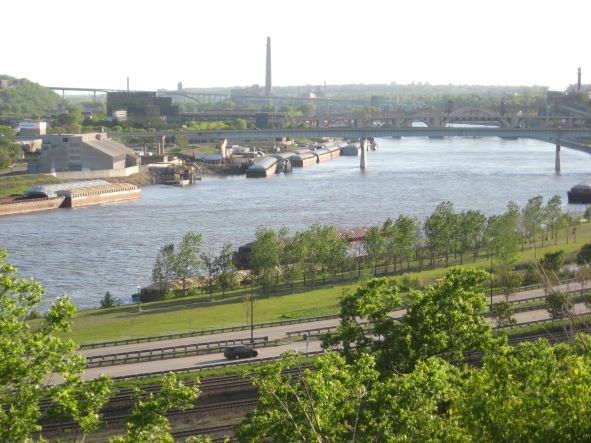
A thousand years ago the area around the confluence of Trout Brook and Phalen Brook near the Mississippi River was a marshy flood plain. By the early 1900s, the entire delta had been expanded by filling and became an industrial railroad corridor. As rail use decreased in the 1970s, the land was largely abandoned and buildings and tracks were removed.
- Bruce Vento Nature Sanctuary (Wikipedia)
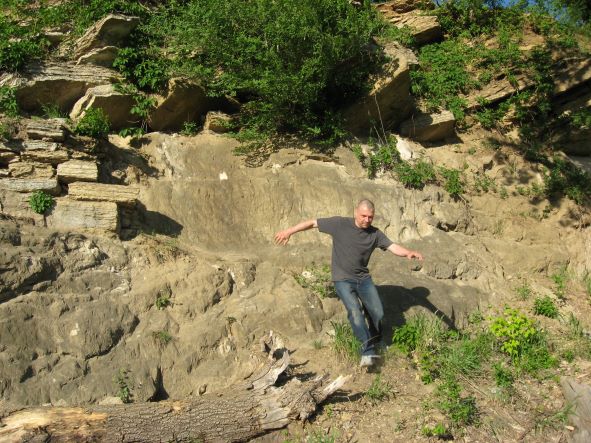
The Bruce Vento Nature Sanctuary is a city park in the Mississippi River corridor in Saint Paul, Minnesota. Just east of the city’s downtown district, the sanctuary includes towering limestone and sandstone bluffs that date back more than 450 million years, spring-fed wetlands, abundant bird life, and dramatic views of the downtown Saint Paul skyline and Mississippi River. The park was opened to the public on May 21, 2005, and was named after its early supporter U.S. Representative Bruce Vento.