- Birch Bay State Park (parks.wa.gov)
Set in a blue cove between Bellingham and Blaine, Birch Bay State Park gives you a private and secluded feel without being too far from urban life.
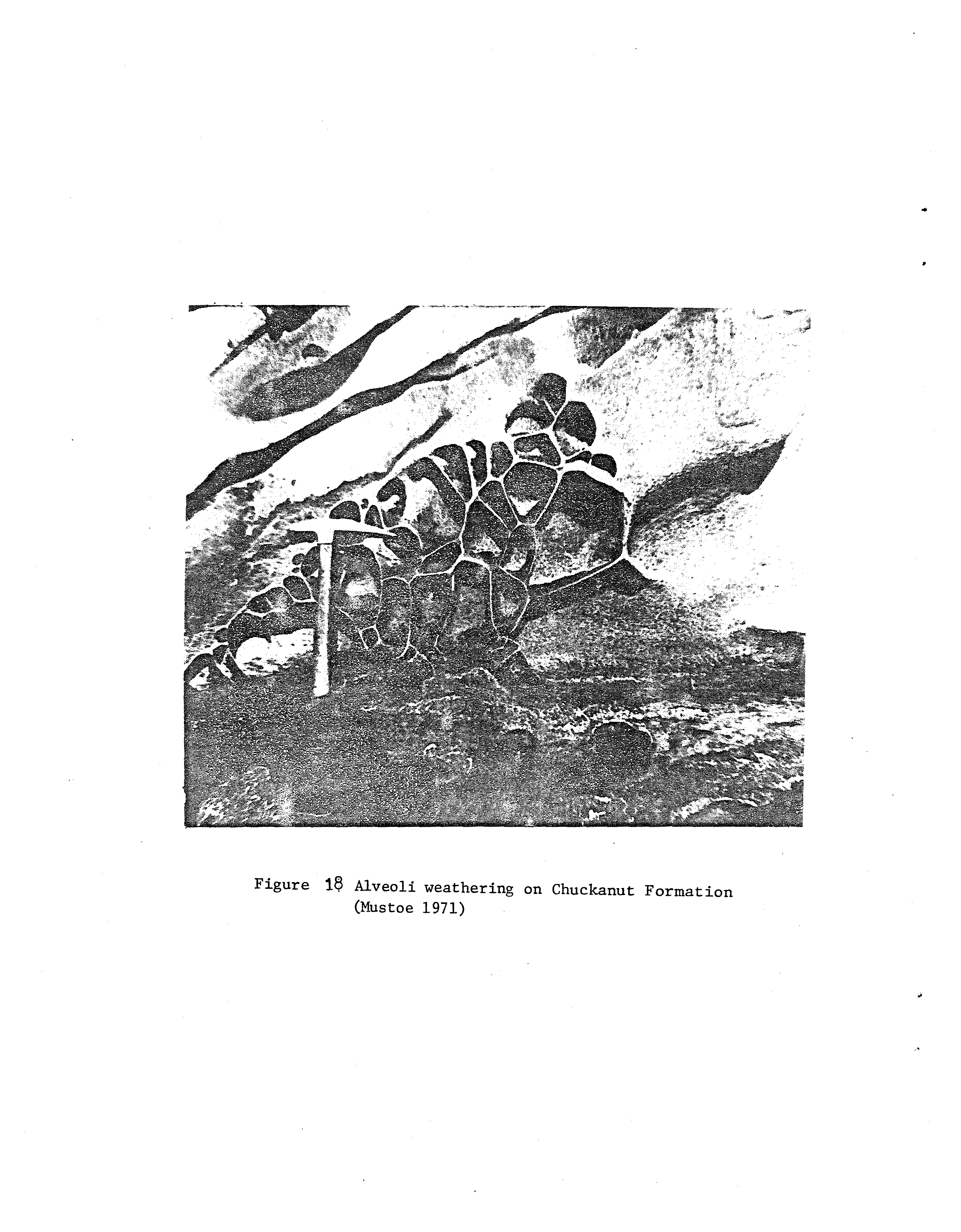
- Blanchard Mountain was once covered in a massive sandstone deposit called the Chuckanut Formation. Over time, this sandstone unit grew to be more than 10,000 feet thick, trapping many fossils of ancient plant and animal species.
- Dave Tucker (geologist) (Wikipedia)
David Samuel Tucker is a geologist, author, and union organizer in Washington state. He is a research associate at Western Washington University. He was an instructor at North Cascades Institute, and the director of the Mount Baker Volcano Research Center (now closed). He writes the blog Northwest Geology Field Trips, a blog aimed at laypeople detailing where to find interesting geology in the Pacific Northwest. In 2015, he published a popular book on Washington geology, Geology Underfoot in Western Washington. He resides in Bellingham, Washington. In the 1980s he worked as a mountaineering guide in the Cascades, Mexico, and South America.
- Chuckanut Formation (Wikipedia)
The Chuckanut Formation in northwestern Washington (named after the Chuckanut Mountains, near Bellingham), its extension in southwestern British Columbia (the Huntingdon Formation), and various related formations in central Washington (including the Swauk, Roslyn, Manastash, and Chumstick) are fluvial sedimentary formations of Eocene age, deposited from about 54 million years ago to around 34 million years ago. The nature of the deposits and included plant fossils indicate a low-lying coastal plain with a subtropical climate; the nature of the sediments indicates metamorphic sources in northeastern Washington.